
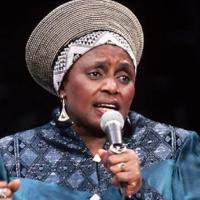
Miriam Makeba (94 yo)
Biography
Miriam Makeba, the South African singer, songwriter, and activist, passed away on November 9th, 2008, at the age of 76. Dubbed "Mama Africa," she was a beacon of hope and strength for African people, and a fearless champion of human rights. Born in Johannesburg in 1932, Makeba started singing as a child in her church choir. She soon rose to fame in the 1950s with the all-female group The Skylarks, and went on to become the first African woman to win international recognition with her hit song "Pata Pata." She performed in some of the most prestigious venues around the world, including Carnegie Hall, the Royal Albert Hall, and the Kennedy Center.
Makeba's music was more than just entertainment - it was a powerful tool for social change. She used it to raise awareness about the struggles of her people under apartheid, and was a vocal opponent of the regime and an active participant in the civil rights movement, working closely with figures like Harry Belafonte and Martin Luther King Jr. Unfortunately, her activism came at a price. In 1960, the South African government revoked her citizenship and banned her music, forcing her into exile for almost three decades. She lived and worked in several countries, including the United States, Guinea, and Belgium, and continued to speak out against injustice and oppression.
Makeba's legacy will live on forever. She was a symbol of hope and resilience for generations of Africans, and a role model for women around the world. She received numerous honors and awards throughout her career, including the Grammy Lifetime Achievement Award, the Dag Hammarskjöld Peace Prize, and the Order of the Lion of Malawi. Sadly, she passed away after collapsing on stage during a concert in Italy. Her death was mourned by millions of fans and admirers worldwide, and she will always be remembered as a trailblazer, a visionary, and a true icon of African music and activism.