
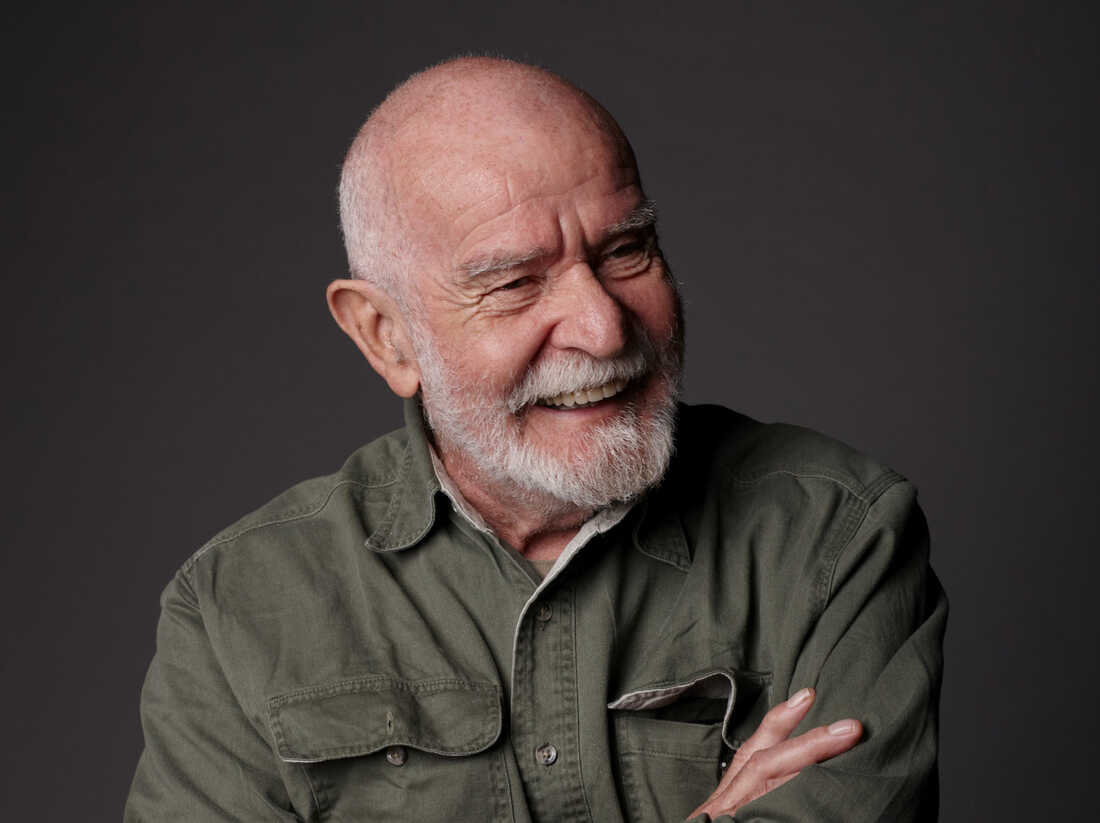
Athol Fugard (94 yo)
Biography
It is with deep sadness that we announce the passing of Athol Fugard, who died on March 8, 2025, at the age of 92. A towering figure in world theatre, Fugard was a prolific playwright, director, and actor whose powerful and poignant works gave voice to the struggles and resilience of ordinary people in apartheid-era South Africa and beyond.
Born Harold Athol Lannigan Fugard on June 11, 1932, in Middelburg, Eastern Cape, South Africa, he spent much of his life in Port Elizabeth, a city that profoundly influenced his writing. His plays often explored themes of racial injustice, human dignity, friendship, and betrayal, drawing heavily on his own experiences and observations.
Fugard's career began in the late 1950s, a time when South Africa was increasingly entrenched in the brutal system of apartheid. Despite censorship and the constant threat of state repression, he bravely continued to produce plays that challenged the status quo. His early works, such as No-Good Friday (1958) and Nongogo (1959), immediately established him as a significant new voice.
It was in the 1960s and 70s that Fugard gained international recognition with plays like The Blood Knot (1961), which explored the complex relationship between two brothers, one coloured and one white; Boesman and Lena (1969), a searing portrayal of a destitute coloured couple's journey; and Sizwe Banzi is Dead (1972) and The Island (1977), both created in collaboration with the legendary actors John Kani and Winston Ntshona. These plays, often performed in township halls and defying official bans, brought the harsh realities of apartheid to global audiences. Opens in a new window www.theatreplays.uk Athol Fugard, John Kani, and Winston Ntshona
Fugard's distinctive minimalist style and his profound understanding of human nature allowed his plays to transcend their specific political context, resonating with audiences worldwide. He received numerous accolades throughout his career, including multiple Tony Awards, the Praemium Imperiale, and the International Ibsen Award, often referred to as the Nobel Prize of theatre.
Even after the end of apartheid, Fugard continued to write, directing, and act, turning his gaze to the challenges of a new South Africa and the universal human condition. His later works, such as Victory (2007) and The Train Driver (2023), continued to demonstrate his unwavering commitment to storytelling and his deep empathy for the marginalized.
Athol Fugard leaves behind an unparalleled legacy of theatrical brilliance and moral courage. His plays will continue to be studied and performed for generations to come, serving as a powerful testament to the enduring spirit of humanity in the face of adversity. He will be deeply missed by his family, friends, colleagues, and the countless individuals whose lives were touched by his